
Feb 2026 | Native Edge Landscapes
A fire mitigation plan is only as strong as the details. In wildfire country, the small choices matter: what you plant, how close it sits to your home, what you use for ground cover, and how you maintain everything through the year.
Start where embers land most: the first 5 feet
The area closest to your home deserves the most attention because embers can ignite materials quickly. Prioritize noncombustible design choices near the structure, and keep this area clean and maintained.
What “fire-resistant landscaping” means in real life
There is no such thing as a “fireproof” landscape, but you can design for lower risk:
1) Choose lower-flammability plants and keep them maintained If you keep higher-risk plants, pruning and removing dead material becomes even more important. Guidance on low-flammability plant considerations is available through Colorado State Forest Service resources.
2) Build spacing into the design Spacing slows down fire spread. Avoid dense, continuous plantings that allow fire to run from one plant to the next.
3) Watch out for ladder fuels Ladder fuels allow fire to climb from ground vegetation into shrubs and up into tree canopies. Reduce these by pruning, thinning, and thoughtful planting layout.
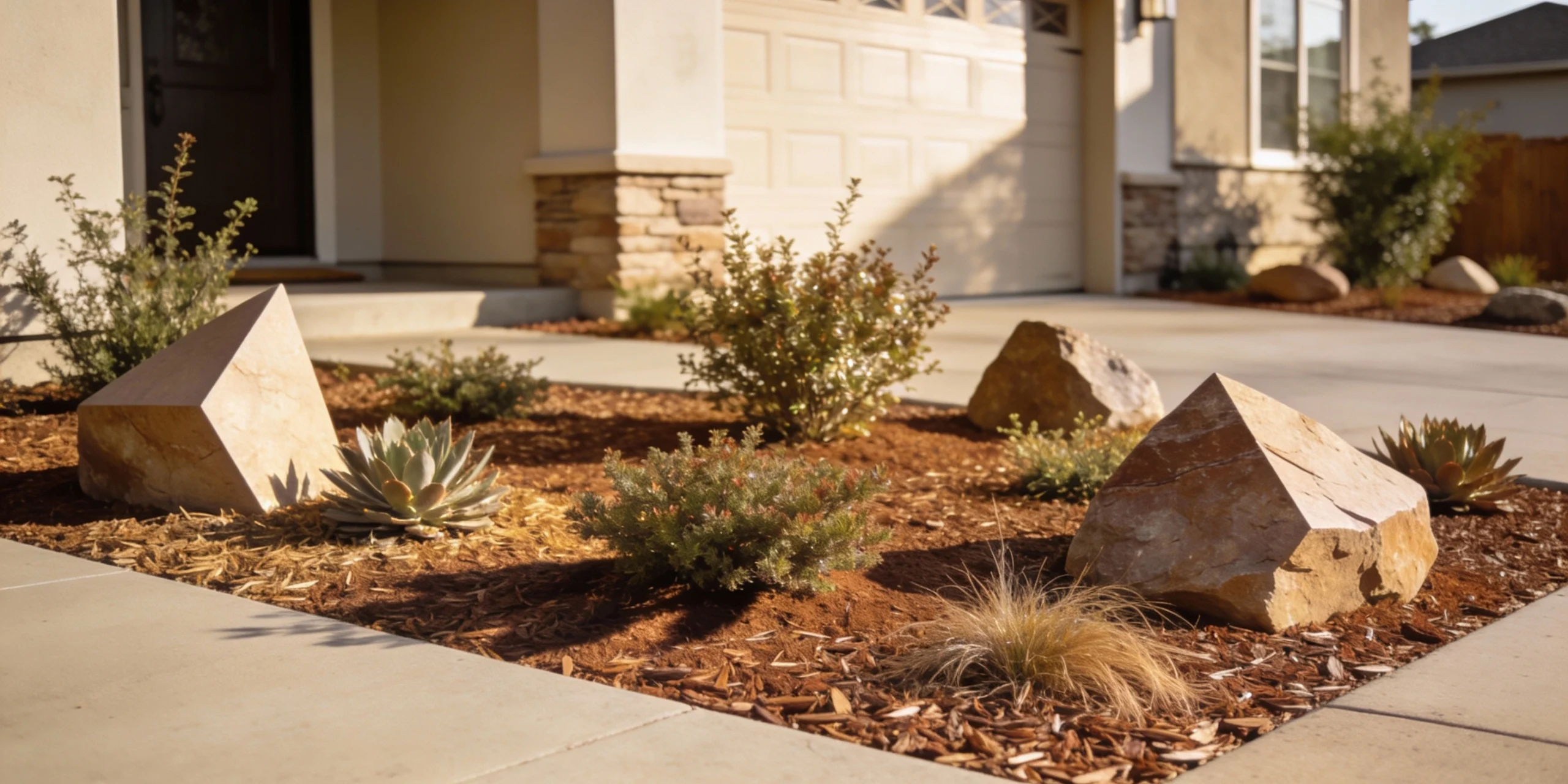
4) Rethink mulch placement and bed edges Mulch can be useful for moisture retention and soil health, but it needs to be placed thoughtfully and maintained. Use safer strategies closest to structures, and keep beds free of dry debris.
A simple checklist for a fire-smart landscape refresh
If you want a practical starting point:
Keep irrigation working so plants stay healthy and hydrated
Clean out dead plant material and leaf buildup
Prune lower tree limbs and remove ladder fuels
Thin crowded shrubs and groupings
Separate plant “islands” with paths, patios, rock, or lawn
2) Prune and thin for defensible space Create vertical clearance and reduce ladder fuels. If weather prevents pruning, winter is still the right time to plan it.
3) Clean the “edge” zones Work your way outward from the home:
4) Plan spring improvements now Winter is the time to plan plant replacements, irrigation upgrades, and slope stabilization work so projects are ready to go when conditions improve.
Local support can help
In Boulder County, programs like Wildfire Partners support residents with education and mitigation planning.