Effective HOA landscape management starts with a shared understanding of what the community needs, what the existing landscape requires and how the board will prioritize its resources. A coordinated plan combines routine grounds care, irrigation management and longer-term improvements rather than addressing each concern in isolation.
Common areas shape how residents experience a neighborhood. Entrances, shared lawns, walking paths and planting beds should be attractive, functional and appropriate for the people who use them. In Boulder County, seasonal weather, water use and aging landscape infrastructure add complexity to the decisions HOA boards make.
Develop a clear inventory of common areas
Begin by identifying the areas the association is responsible for maintaining. Review property boundaries, irrigation zones, planting beds, shared pathways, turf and other landscape features. Document known issues such as declining plants, uneven hardscape, irrigation problems or recurring drainage concerns.
An inventory gives the board and property manager a common reference when reviewing maintenance proposals. It can also help distinguish immediate needs from improvements that are appropriate for a future project.
Establish maintenance priorities and service expectations
Not every area requires the same level of maintenance. A prominent entrance may need detailed seasonal care, while a naturalistic open space may be better managed according to its intended vegetation and use. A high-traffic lawn may need a different schedule from a low-traffic planting area.
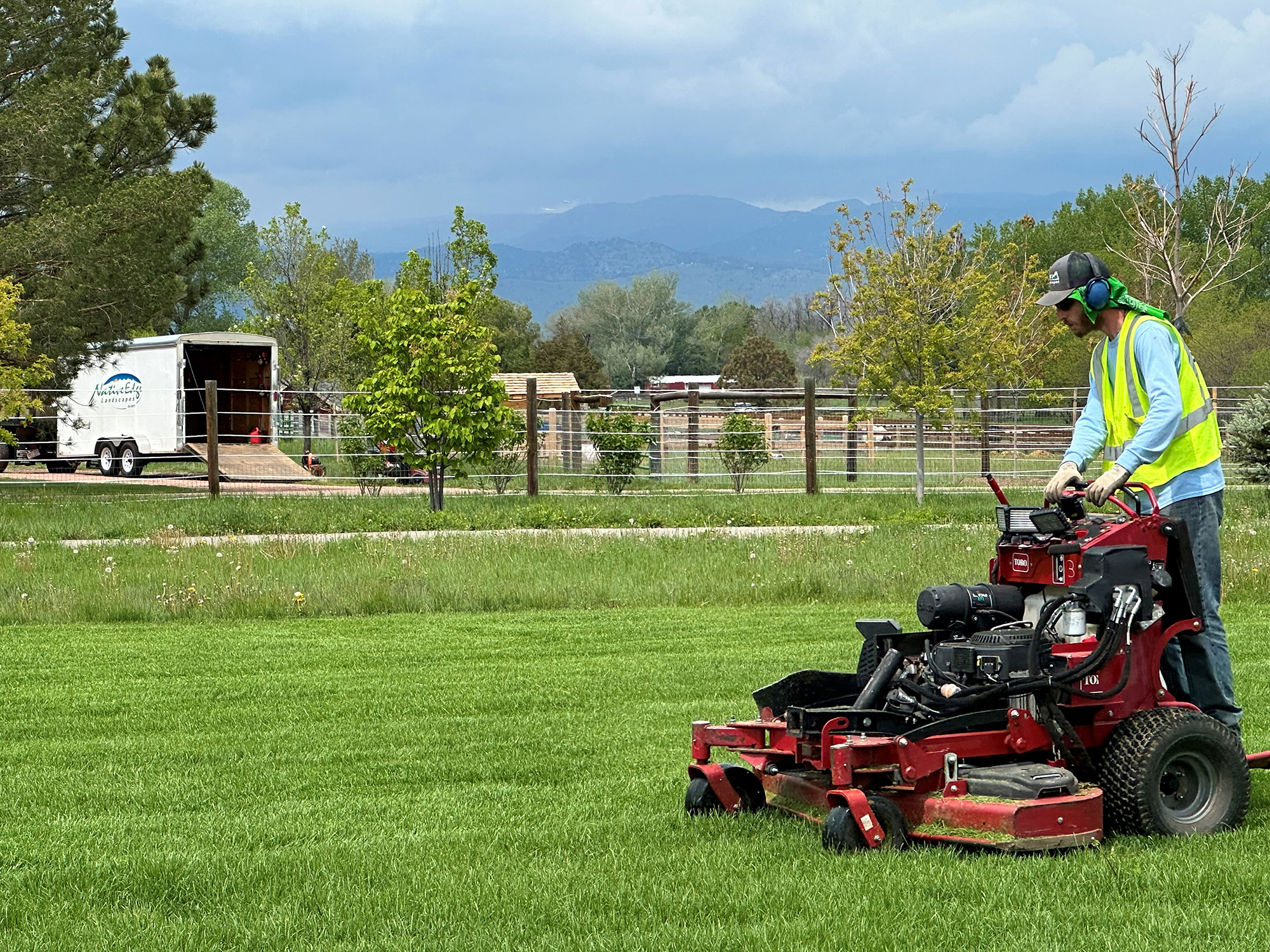
Define the expected scope of recurring services, including mowing, bed care, irrigation inspections, pruning and seasonal cleanups where applicable. Ask how issues are communicated and how work outside the regular scope is evaluated. Clear expectations help boards compare proposals and manage resident concerns.
Review irrigation and water use as a community
An association may be responsible for a complex irrigation system with multiple zones and different planting needs. Leaks, broken heads and programming that no longer fits the landscape can contribute to inefficient water use.
Evaluate irrigation condition before committing to broad reductions or major landscape changes. Some areas may benefit from targeted repairs, controller upgrades or revised schedules. Unused irrigated lawn may be a candidate for a planned conversion, provided the board considers design, establishment care and community preferences.
Plan renovations and budget in phases
Separate recurring care expenses from larger renovation projects. Replacement of declining beds, entry improvements and irrigation modernization may need to be coordinated across multiple budget periods. A longer-term plan helps the community avoid making isolated changes that conflict with future work.
Gather input from residents and relevant stakeholders, and follow the association's governing documents and approval procedures. Prioritize projects based on function, plant health, accessibility concerns and the community's desired appearance. Review the plan periodically as conditions change.
Frequently asked questions
What should an HOA landscaping contract include?
A contract should clearly describe service areas, recurring tasks, frequency or service standards, communication, exclusions and the process for approving additional work. Specific requirements vary by community.
How can an HOA reduce landscaping water use?
Start with an irrigation assessment, repair identified issues and match watering to plant and site needs. Evaluate whether unused turf is appropriate for conversion. Actual savings depend on site conditions and management.
Can maintenance and renovation work be coordinated?
Yes. Coordinating the two can help a community protect existing improvements while planning for future landscape changes and establishment care.
Build a landscape plan for your community
Native Edge Landscapes offers commercial landscape maintenance and commercial landscape construction for HOAs and other property stakeholders in Boulder County. Contact our team to discuss the needs of your community in Boulder, Longmont, Erie or the surrounding area.